Winter Springs Approves Eminent Domain for 10 Acres of Former Golf Course Land
The Winter Springs City Commission voted 3-2 on Monday to approve a resolution that starts the process of taking about 10 acres of the closed Winter Springs Golf Club for a rebuilt west wastewater plant. The land sits under a 1984 conservation easement.

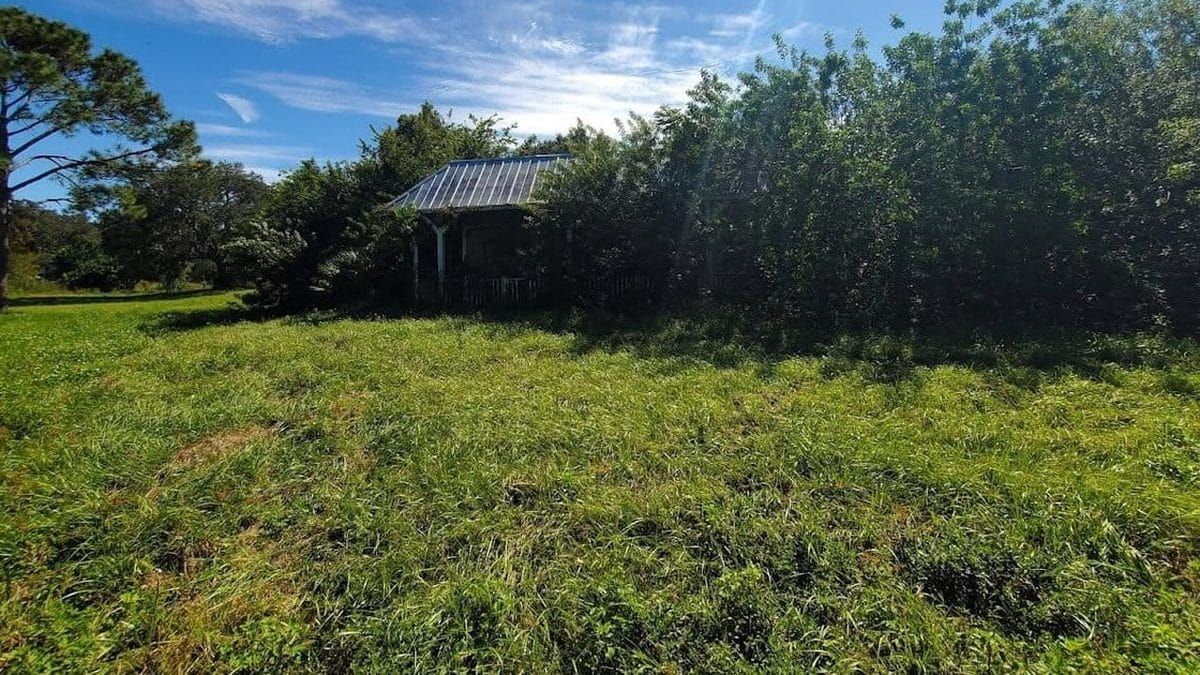
The Winter Springs City Commission voted 3-2 on Monday, Nov. 16, to approve a resolution that starts the process of taking about 10 acres of the long-closed Winter Springs Golf Club property through eminent domain. The land would be used to rebuild the West Water Reclamation Facility, the city's wastewater plant at 1000 W. State Road 434.
Resolution 2026-23, known as a resolution of necessity, covers a 10.189-acre tract the city calls Parcel 100, at 900 W. State Road 434. Commissioner Sarah Baker made the motion, and Commissioner Victoria Bruce seconded it. Baker, Bruce and Deputy Mayor Cade Resnick voted yes. Commissioners Mark Caruso and Paul Diaz voted no. Mayor Kevin McCann did not vote.
The resolution authorizes the city to negotiate with the owner and make a binding written offer based on an appraisal. It does not set a purchase price. The owner then has 30 days to respond. If no deal is reached, the city may file a condemnation case in circuit court. A revised version of the resolution was provided to the commission Monday night. The official text should be confirmed when the city posts it and when minutes are approved.
Commissioner Cade Resnick told Oviedo Community News before the meeting that the city tried and failed to buy the land. "We did try to negotiate with him as the owner for the 10 acres, and the city feels that they can get a better price structure for eminent domain than they could for cash," he said. On Monday, City Manager Kevin Sweet said the city had spent years trying to negotiate a purchase and described condemnation as a last resort. Property owner Arman Rahbarian declined to comment to the outlet, saying an attorney is handling the matter.
Why the city says it needs the land
A 2022 condition assessment found that both of the city's wastewater plants need complete replacement because of their age and condition. The east plant is already under construction, with a guaranteed maximum price of about $65.8 million.
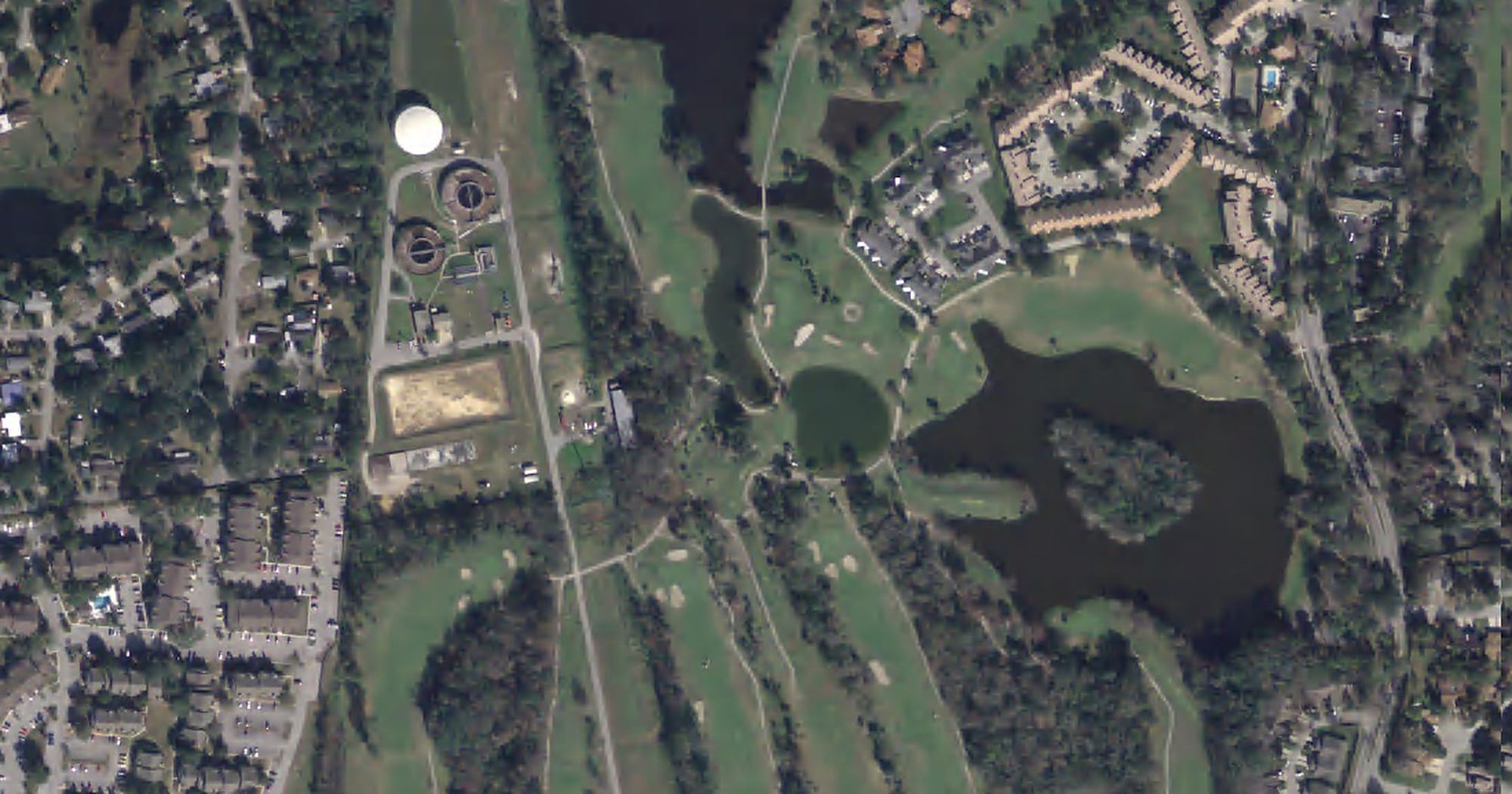
For the west plant, a Nov. 3, 2026 memo from the city's engineering consultant, Carollo Engineers, compared three options:
- Rebuild on the existing plant site only: about $72.8 million and about 47 months.
- Buy about 3 acres next door: about $73.1 million and about 35 months.
- Buy about 10 acres next door: about $66.6 million and about 29 months.
Carollo recommends the 10-acre option as the lowest cost, shortest schedule and lowest risk, because most of the new plant could be built while the old one keeps running. That option would also mean about 6.2 acres of wetland impacts and 5.4 acres of tree removal, which the memo estimates would cost about $754,000 to offset. Staff note that the estimates do not include the cost of buying the land or of eminent domain litigation. The project is expected to be paid for with State Revolving Fund loans.
Staff and Carollo presented those findings again Monday and recommended that the commission adopt the resolution so planning, design and state loan applications can stay on schedule.
A course with a long history

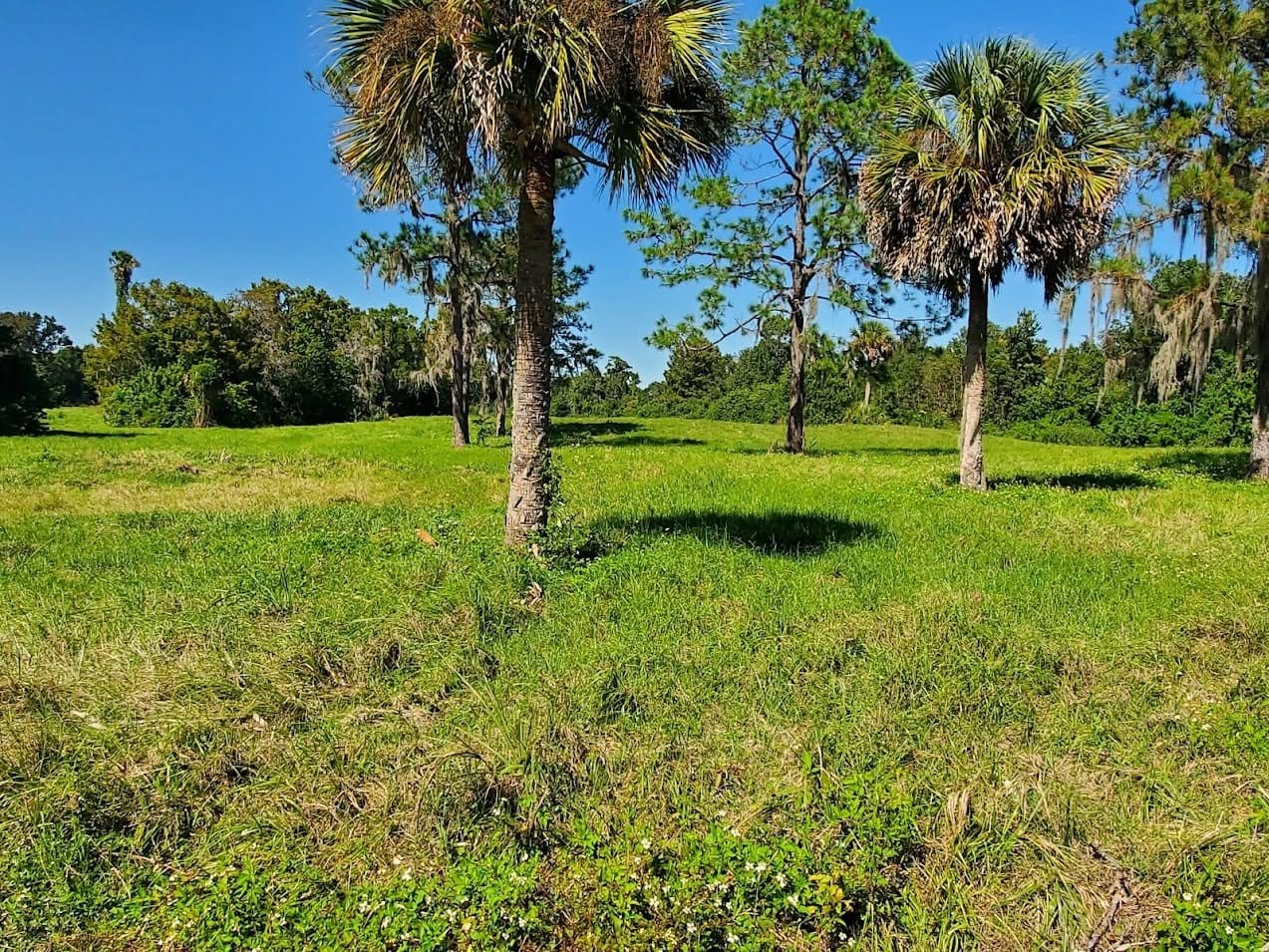
The former course covers about 177 acres on the north side of West State Road 434 in the Highlands. Golf directories list it as built in 1964 and designed by Bruce Devlin and Robert von Hagge, and the brokers who marketed it in 2006 called it the first golf course in Florida with an island green. City records show it was known as the Sheoah Golf Course and later Big Cypress Golf Club before it became Winter Springs Golf Club.
Dan Wood, a former college and professional soccer coach, began owning and managing an Orlando-area golf course in 1985, according to his obituary. A newspaper clipping kept in the city's archives names him as managing general partner of Winter Springs Golf Club, owned at the time by Deutsmark Golf Properties Partnership.
In the early 1990s the city considered buying the course for about $4.8 million. That clipping reports that the owners broke off talks after another buyer met their asking price. By 1995, city records list Winter Springs Partners Ltd. as the owner.
Bank of America Strategic Solutions foreclosed on the course in June 2005, after the lender took it back from Meadowbrook Golf, an Orlando management company. On June 1, 2006, Los Lagos Winter Springs LLC bought it from the bank. A July 2006 news report put the price at $2.1 million and said Rahbarian, a California businessman, closed the course in June 2006 and dismissed more than two dozen employees while promising city officials it would reopen. It never did. Los Lagos Winter Springs LLC is still the owner of record, according to the Seminole County Property Appraiser.
The 1984 conservation easement
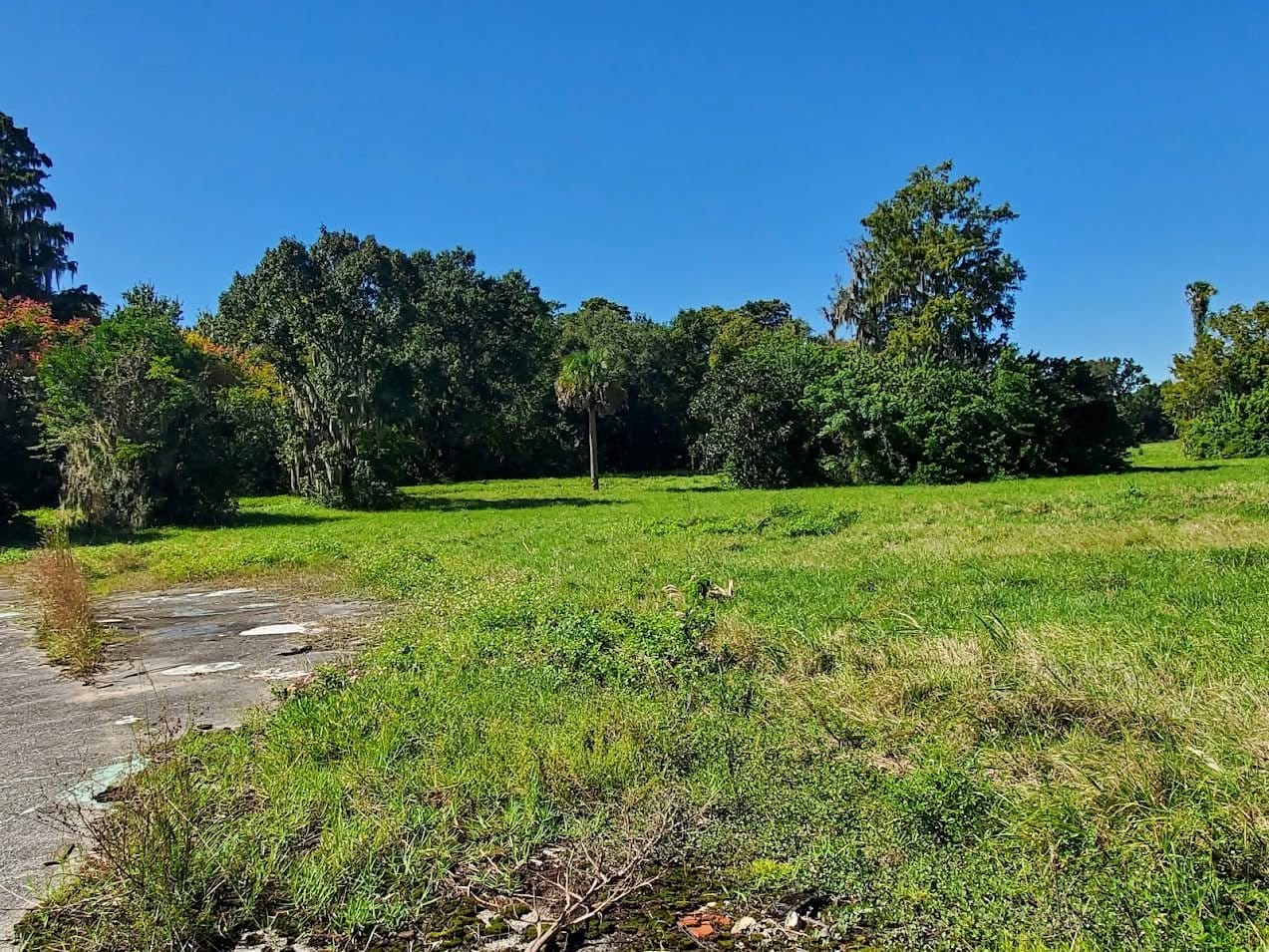
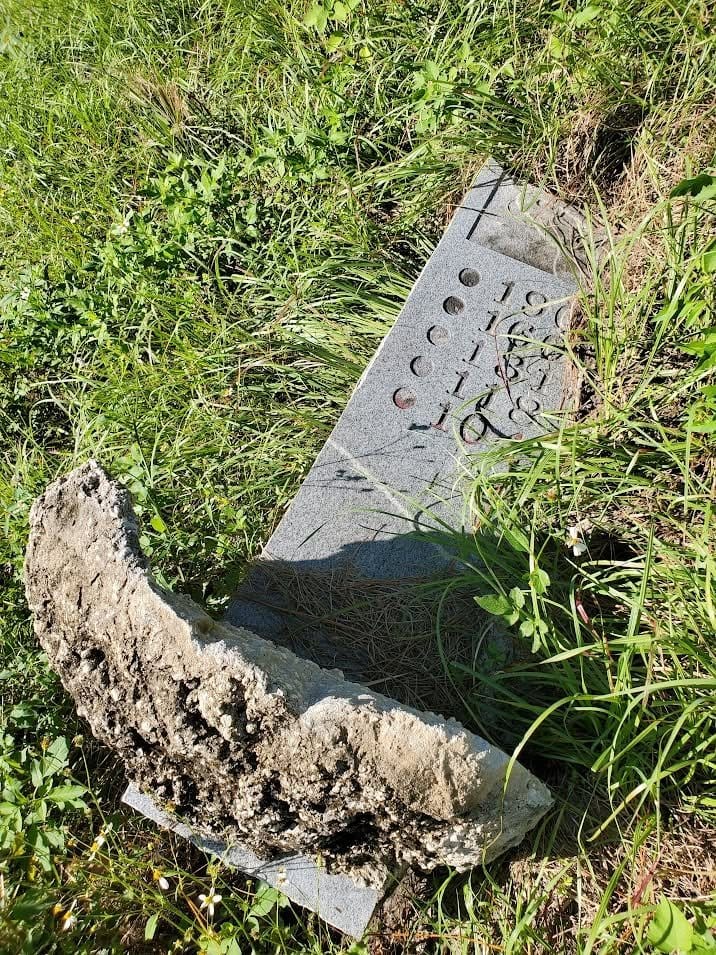
On Dec. 26, 1984, the city was granted a perpetual conservation easement over the golf course, recorded in Seminole County Official Records Book 1604, Page 131. It was amended in 1998. City records say its purpose was to protect the golf course land from development. The city holds the easement, but the land itself is privately owned. The commercial frontage along State Road 434 is outside the easement, which today covers about 133 acres.
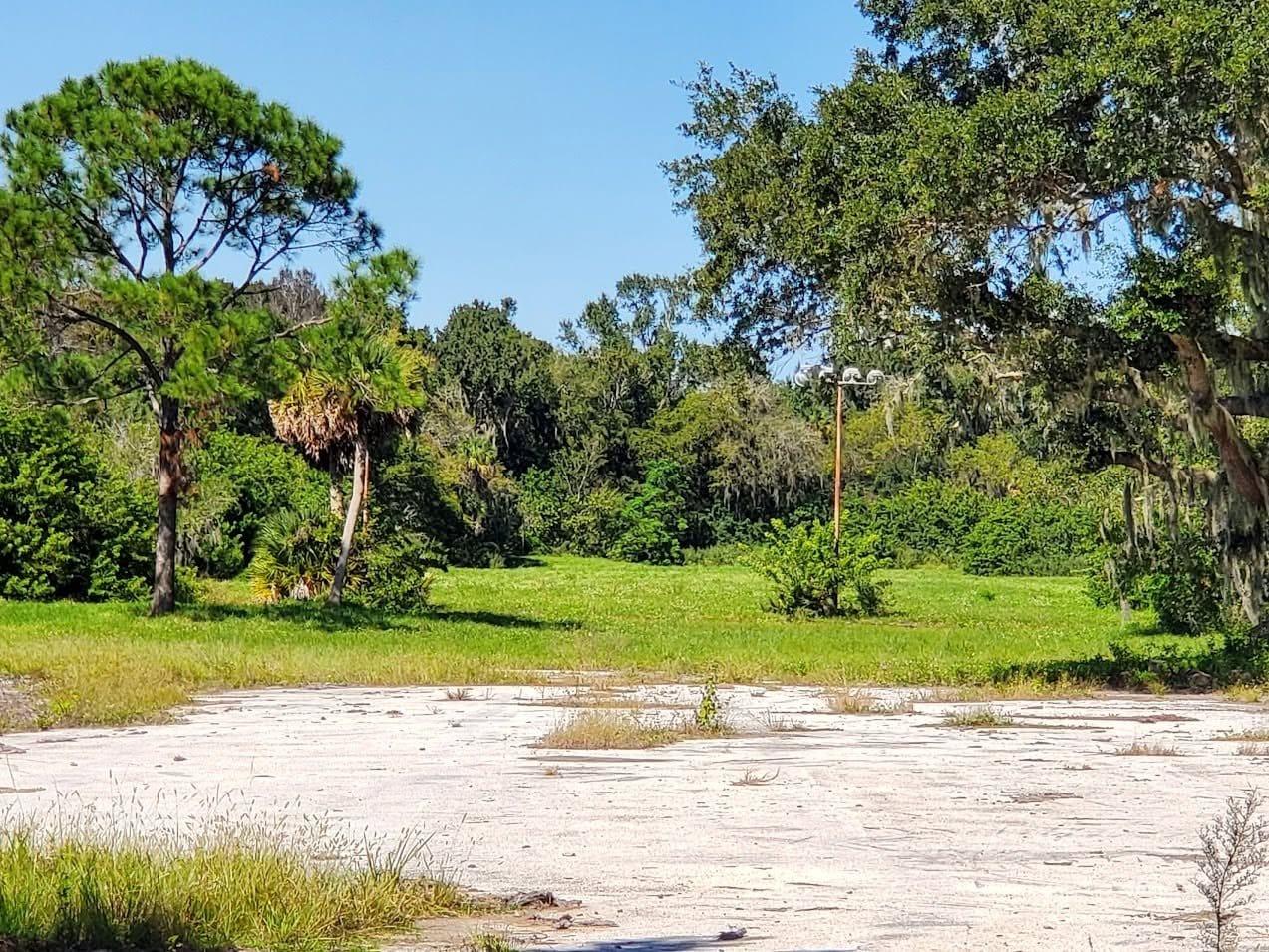
In December 2005 the commission adopted Resolution 2005-48, declaring the easement to be of significant public importance and saying it should be enforced. In 2007 a city open space study committee ranked the golf club property as its first choice for preservation. When the city asked about buying it, the owner's attorney replied in March 2007 that Los Lagos would not sign on because its plans were not final.
In September 2023, Pulte Homes presented a nonbinding concept for 492 homes, made up of 272 townhomes, 41 bungalows and 179 cottage homes, plus about 12 acres of commercial frontage. The plan kept many former fairways as public passive open space and set aside 10 acres for a utility plant expansion coordinated with Carollo. City Attorney Anthony Garganese said at the time that the easement had prohibited development since 1984, adding, "All these development projects will require the city to release all or part of this public conservation easement." Pulte later withdrew the plan.
What commissioners and residents have said
The course came up again at the commission's first meeting of 2026. Commissioner Resnick said he was concerned about high-density projects on open land. Commissioner Victoria Bruce asked for a map showing all properties at risk of development, saying, "There's property that is for sale that I didn't even know could be developed." Highlands residents told News 6 they want the easement protected, and one said traffic would be a problem.
Before Monday's vote, Bruce asked how much of the 10 acres is wetlands, and said, "I thought we needed 20." City engineers said the 10-acre site includes about 6 acres of wetlands, in line with the memo's estimate of about 6.2 acres of wetland impacts, and that a larger take had been considered when mitigation bank credits were harder to obtain. She also submitted wording changes that afternoon, including changing "renovate" to "replace" to describe the work at the plant. The city's special counsel said her comments were incorporated into the revised resolution provided to the commission that night.
Caruso and Diaz voted no, saying they wanted a clearer cost for the land, including an appraisal, before authorizing a taking. Diaz said he supported replacing the plant but did not want to vote without a number on the property. Staff and the city's special counsel said an appraisal is already under way and that a resolution of necessity typically comes first.
Shelly McLaughlin, a Highlands resident who lives on Falkirk Drive, asked the commission to keep the 10 acres in the conservation easement. She said she understood the plant needs a solution, but that the land floods and that taking conservation property could worsen stormwater problems in the neighborhood. After the vote, she said she was saddened by the result and asked the city to consider other options. City engineers said the 10-acre layout would add stormwater storage that the existing plant site largely lacks, and that their intent is to keep a tree buffer toward neighboring homes.
In July, Mayor Kevin McCann asked the city's Charter Review Committee to consider a charter amendment requiring a 4 to 1 commission vote, instead of a simple majority, to release or materially weaken a conservation easement. He pointed to the golf course as a reason and said the question would not reach voters until 2028. On Monday he again said the golf course should be protected, while urging the commission to adopt the resolution so the city can replace the plant at the lower cost and shorter schedule staff presented.
What happens next
Now that the resolution has been adopted, the city will get an appraisal and make the owner a written offer. If the owner does not accept, the city can go to court. A judge first decides whether the taking serves a public purpose and is reasonably necessary. If so, the city deposits the appraised value with the court and title passes to the city. A 12-person jury then sets the final compensation, and the city must also pay the owner's reasonable attorney fees and costs.
From the dais Monday, staff and special counsel said an appraisal is already in the works. They described a possible schedule that could include a court filing in early 2027 if a sale is not reached, and a State Revolving Fund loan application around June. Those dates were discussed at the meeting and should be confirmed when official minutes are posted.
Meanwhile, the 1984 easement still limits what can be built on most of the former course. How the city handles the wastewater land, and any future requests to release the easement, will shape one of the largest remaining open tracts in western Winter Springs.
In a later vote Monday night, the commission unanimously named Bruce deputy mayor for 2027.
Sources
- City of Winter Springs, Nov. 16, 2026 City Commission meeting (YouTube)
- City of Winter Springs, Nov. 16, 2026 City Commission agenda packet, Resolution 2026-23 and Carollo Site Alternatives Evaluation memo
- Oviedo Community News, Nov. 11, 2026: Winter Springs to vote on taking golf course land for wastewater plant
- Oviedo Community News, Sept. 20, 2023: Shuttered Winter Springs Golf Course could be developed
- News 6 ClickOrlando, Jan. 19, 2026: Commissioners consider future of the closed Winter Springs Golf Course
- News 6 ClickOrlando, July 24, 2026: Winter Springs may follow Oviedo with charter protections
- City of Winter Springs, Resolution 2005-48 (Dec. 12, 2005)
- City of Winter Springs, May 15, 2006 agenda item on golf course reclaimed water agreement (ownership history)
- City of Winter Springs, Open Space Advisory Study Committee final report (May 2007)
- City of Winter Springs archive, newspaper clipping: Secret buyer outplays city for golf ownership
- Pulte Homes 2023 presentation to the city
- Fairway Advisors sale announcement, June 2006 (republished)
- July 2006 news report on the sale and closing (republished)
- Seminole County Property Appraiser, 900 W SR 434
- Florida Division of Corporations, Los Lagos Winter Springs LLC
- GolfPass course listing, Winter Springs Golf Club
- Central New York PGA, Dan Wood obituary (2020)