Winter Springs Police Chief Responds to Privacy Concerns Over License Plate Cameras
Winter Springs Police Chief Matt Tracht has issued a statement on the department's use of license plate reader cameras, responding to privacy concerns spreading on social media. Here's what he said — and what critics argue.

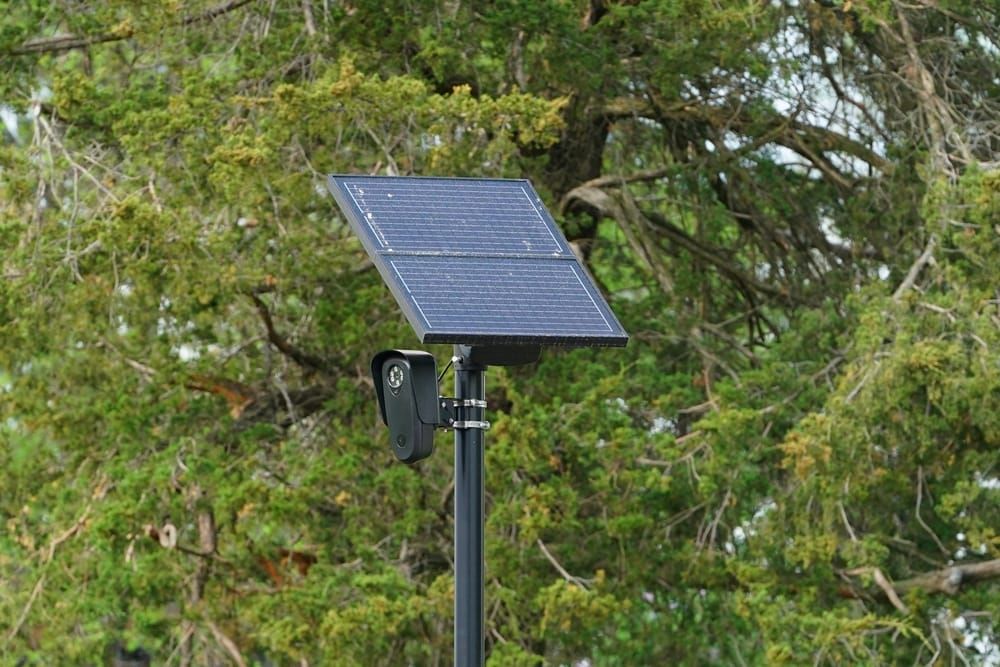
Winter Springs Police Chief Matt Tracht has issued a public statement addressing privacy concerns circulating on social media about the police department's use of automated license plate reader cameras — technology often associated with the vendor Flock.
The statement follows weeks of online discussion, including a widely shared Facebook post arguing that the cameras amount to an invasion of privacy. Tracht said several residents had reached out with questions, and that he wanted the community to have "the same information" directly from him.
Automated license plate readers, or ALPRs, are cameras that photograph vehicle license plates on public roadways and check them against databases. According to Tracht, the department's system compares plates against records of stolen vehicles, wanted persons, missing or endangered individuals, and vehicles tied to serious criminal investigations. He said Winter Springs limits its use to "vehicles involved in crimes and missing persons," and noted that Flock is one brand among several — including Axon, Motorola, and NDI — that make similar systems.
Tracht pointed to several local cases he said were aided by the technology. Those included the incident in which a young man was dragged from a Publix parking lot down State Road 434, which he said led to three arrests; the recovery of a mother and her infant after she reportedly threatened suicide; the Shakeria Rucker missing-person case, in which he said the technology aided an investigation that has led to a suspect facing the death penalty; and the identification of a sexual predator at a past Fourth of July event. I Love Oviedo Winter Springs has not independently verified these accounts, which are as described by the chief.
Tracht also argued the cameras improve officer safety by alerting officers when a vehicle linked to a wanted offender enters the city, and described the technology as an "essential force multiplier" for a growing community.
The statement pushed back directly on criticism circulating online. Tracht said the cameras "do not monitor people's movements or collect personal information," and compared them to consumer technology such as Ring doorbell cameras, dashcams, and vehicle camera systems that he said capture more information than an ALPR. He acknowledged that misuse of the technology has been reported elsewhere in the country, but said the answer is to hold individual bad actors accountable rather than eliminate the tool. Officers with access to the databases, he said, understand the penalties for misuse, and any abuse "shall be investigated."
Critics of ALPR networks raise a different set of concerns. Civil liberties organizations, including the American Civil Liberties Union and the Electronic Frontier Foundation, have argued nationally that systems logging large volumes of plates can build searchable records of where ordinary drivers travel over time, and have questioned how long the data is retained and which agencies can access it. Some critics specifically dispute the characterization that the cameras do not track movement, arguing that the aggregate of many reads can effectively reconstruct a driver's location history.
Tracht closed his statement by thanking residents for their "thoughtful consideration" of the technology's role in public safety.
Public safety and privacy are both real community values, and reasonable neighbors disagree about where the line falls. Where do you land on this one? Let us know in the comments.